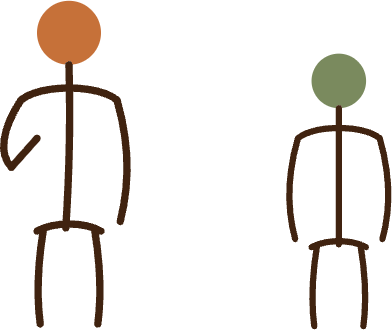
Do To
We decided what you need.
Done to people. No say, often no warning.
What is Do With?
The same piece of work can be done three very different ways. The difference is not how much people are asked - it is how much they can change. Watch the two circles move.
Do To
We decided what you need.
Done to people. No say, often no warning.
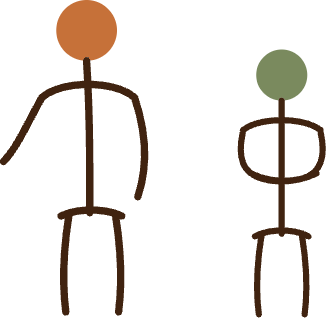
Do For
We'll do it on your behalf.
Well meant. Still decided somewhere else.
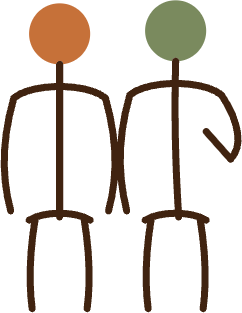
Do With
Power is shared. Influence, not consultation.
Two equals. The overlap is where decisions are made.
We are focused on Do With - because it is the honest step from where most of us actually are.
Do With is a genuine shift, not a softer word for consultation: shared power means a community can change the answer, and can say no. It is also real today for organisations that currently do things to and for people - it asks them to move one step, not to reinvent themselves.
Across public services many people are already finding better ways to work with individuals and communities. The problem is rarely the practice. It is that the wider systems around them too often refuse to follow their lead. That is what this movement exists to change.